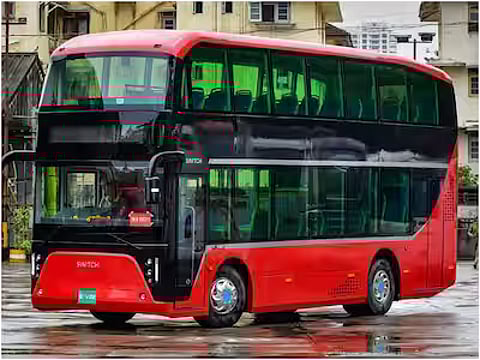

Delhi’s streets are set to welcome a nostalgic yet futuristic sight as double-decker buses return to the capital after nearly 30 years. Once a symbol of the city’s public transport in the 1970s and 80s, these buses disappeared from Delhi’s roads in 1989. Now, they are back—electric, eco-friendly, and designed for sightseeing, blending heritage charm with modern sustainability.
For many old-time Delhiites, double-decker buses—popularly remembered as ‘Suvidha’ buses—were an everyday experience. They offered panoramic city views and became an unofficial tourist attraction long before organised city tours existed.
What’s New This Time?
Unlike earlier versions, the revived double-deckers are fully electric buses, aligning with Delhi’s push for clean and sustainable mobility. These buses have been introduced primarily for tourism and heritage circuits, rather than daily city commuting, to ensure smoother operations and better passenger experience.
Key Highlights:
- Electric, zero-emission buses
- Operated on fixed sightseeing routes
- Focus on heritage, cultural and landmark zones
- Designed to navigate areas with fewer height and clearance issues
Since the service is tourism-oriented, fares are higher than regular city buses:
₹500 for adults
₹300 for children (6–12 years)
It would begin at Pradhanmantri Sangrahalaya and travel to important locations such the National War Memorial, Bharat Mandapam, the new Parliament complex, and Dilli Haat.
The ticket includes a guided tour experience, making it more than just a commute—it’s a mobile heritage walk through the heart of Delhi.
Delhi’s double-decker buses are not just making a return—they’re making a statement. By combining nostalgia, tourism, and sustainability, the city is offering a fresh way to experience its rich heritage, one elevated ride at a time.
.png?w=50&fm=png)