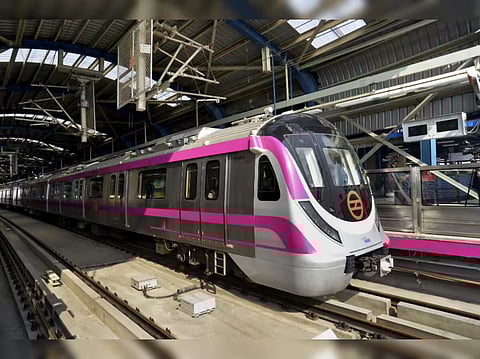

Delhi Metro’s Magenta Line is on track to redefine urban connectivity in the capital. With proposed and upcoming extensions, the corridor is set to become the longest line in the Delhi Metro network, spanning around 65 stations and linking some of Delhi-NCR’s most important residential, commercial, and transit hubs.
Currently known for its seamless airport connectivity, the Magenta Line is expected to evolve into a high-capacity, city-spanning corridor that significantly reduces travel time across Delhi-NCR. Once fully extended, it will connect western, southern, and eastern parts of the region more efficiently than ever before.
Why Does the Magenta Line Expansion Matters?
The expansion is not just about adding stations—it’s about future-proofing Delhi’s public transport. With growing population density and increasing travel demand, a longer Magenta Line will help decongest roads and balance passenger load across the metro network.
One of the Magenta Line’s biggest strengths is its direct link to the airport zone. With more stations and strategic interchanges planned, travelers from distant parts of Delhi-NCR will be able to reach the airport with minimal transfers—making it a preferred choice for frequent flyers and professionals.
Once completed, the Magenta Line is expected to overtake existing corridors in length, strengthening Delhi Metro’s reputation as one of the most expansive and efficient urban rail systems in the world.
As the city continues to grow outward, this corridor will play a critical role in keeping Delhi moving—faster, cleaner, and smarter.
.png?w=50&fm=png)